Acute
Mountain Sickness is what medical people call altitude or
mountain sickness; 'acute' simply means that the onset is
sudden. AMS symptoms do not last, and, if mild or moderate,
may disappear if the victim rests or ascends no further; if
they are severe, the victim must descend. Most people who
attempt Kilimanjaro have invested a lot of time and money,
so the stakes are high. Learn to recognise whether AMS is
mild, moderate or severe.
Mild AMS
Mild AMS feels like a hangover and can affect people at any
altitude above 7000 feet or even lower. Its commonest symptom
is a headache (which should respond to aspirin, paracetamol
or ibuprofen) combined with at least one of the following:
- feeling sick
- lack of appetite
- difficulty sleeping
- general malaise (feeling lousy, lacking energy).
Moderate AMS
Moderate AMS differs from mild in that:
- there is likely to be vomiting
- the headache does not respond to pain relief
- the victim may be very short of breath even when not exercising
(eg after 15 minutes’ rest).
Mild AMS is bearable, and affects most people who attempt
mountains such as Kilimanjaro to a greater or lesser extent.
Moderate AMS can be seriously unpleasant, and some sufferers
have to give up. Although symptoms may clear if there is no
further ascent, very few Kilimanjaro trips have the flexibility
to allow individuals prolonged rest or to postpone the summit
attempt. In practice the choice tends to be simple: continue
the ascent or descend. Severe AMS
Severe AMS is different again:
- there is ataxia - the word medical people use to describe
loss of muscular
- co-ordination and balance, as when somebody stumbles, staggers
or falls (but see below)
- there may be altered mental states, such as confusion, aggression
or withdrawal
- it may lead to fluid leakage into the brain and/or lungs (see
Complications, below)
if untreated, it can cause coma followed by death. However, there are many other causes of ataxia, such as extreme
fatigue, hypothermia, dehydration and low blood sugar. Get
the suspected victim to have a short rest, a drink, and a
snack, and put on extra clothing if need be: this should take
care of other possible causes. If they recover promptly, the
ascent can continue. If symptoms persist, or if there is mental
confusion and/or extreme shortness of breath while at rest,
suspect severe AMS.
Severe AMS is avoidable and treatable, but only if you are
aware of the possible risks and look out for yourself and
others. Most of your group will have mild AMS at some stage
of the walk, but anyone with moderate AMS should be monitored
closely in case they worsen. Assess the sufferer's condition
first thing in the morning: symptoms that persist after resting
should be taken seriously. Severe AMS should be treated by
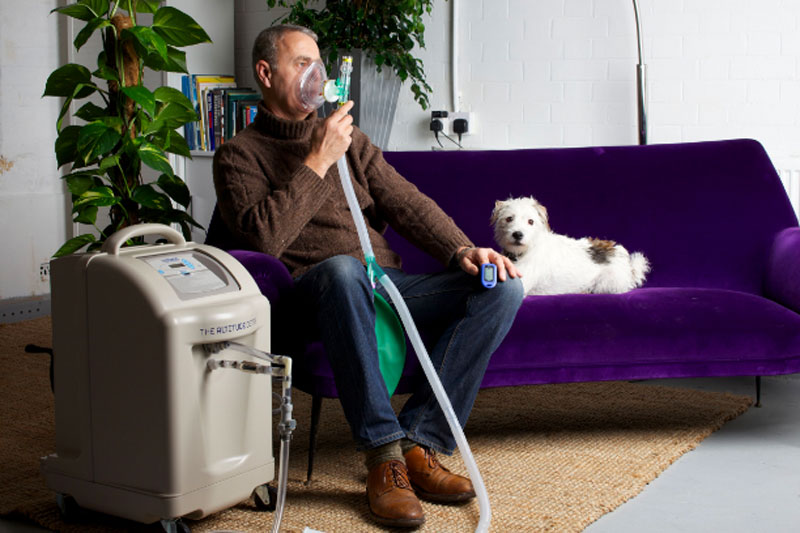
immediate descent, oxygen and suitable drugs.
If you are unlucky enough to have moderate to severe AMS,
you will probably feel so ill that you no longer care about
reaching the summit. Occasionally, because the stakes are
so high, some very determined individuals play down or even
deny their symptoms and want to struggle on. The problem is
that AMS has affected their judgement, and they do not realise
how ill they have become. In such cases the guide or group
leader may instruct them to descend, and his or her decision
is final. If you are on the trip with a friend, you will know
that person better than the group leader can, so you can help
the decision process.
|