ABOUT US | BOOK | RENT | BUY | PARTNERS | CONTACT | HOME
 
IHT EXERCISE SLEEP
Altitude and acclimatisation
How you respond
Effects of hypoxia
Breathing at high altitude

The lungs contain approximately 300 million tiny air sacs, called alveoli. Each sac has a very thin membrane, through which some of the oxygen in the air is absorbed into the bloodstream by selective diffusion, and carbon dioxide is expired from the blood to the air in the lungs, before being exhaled. Clearly, the less air pressure there is, the less oxygen there will be in each breath, and the less will pass through the membranes into the blood.

The answer is, of course, to breathe more deeply and more frequently, but there are limits to this. It is very tiring to breathe so hard, and since the thin air is almost always very cold, it can be painful. There is a serious danger of freezing the throat and lungs; a cough is inevitable at altitude, but it can rapidly become so bad that muscles in the chest wall may be torn.

The body deals with all these problems by increasing the efficiency of oxygen intake from the lungs and transport in the blood. An important part of acclimatization is the production of more red blood cells, which takes place mainly during rest. However, the extra red cells and general dehydration thicken the blood, which brings its own problems.

As one is forced to breathe more deeply and more frequently to inspire enough oxygen, an unfortunate side-effect is that the CO2 balance is upset, and one has to excrete large amounts of bicarbonate in the urine to restore it. Diamox (acetazolamide) can help with this process.

Supplementary Oxygen

Breathing supplementary oxygen used to be de rigueur at very high altitude (say above 7,500m), and is still common among guided parties in the Himalaya. However, the weight and inconvenience of carrying oxygen cylinders, and the potential for failure of the regulator valve, has led to many climbers doing without.

There is also an ethical viewpoint that using supplementary oxygen is somehow "cheating", especially if the cylinders are carried up by porters until needed by the clients. However, it seems unlikely that anyone would consider it "cheating" to carry supplementary food, water or clothing.

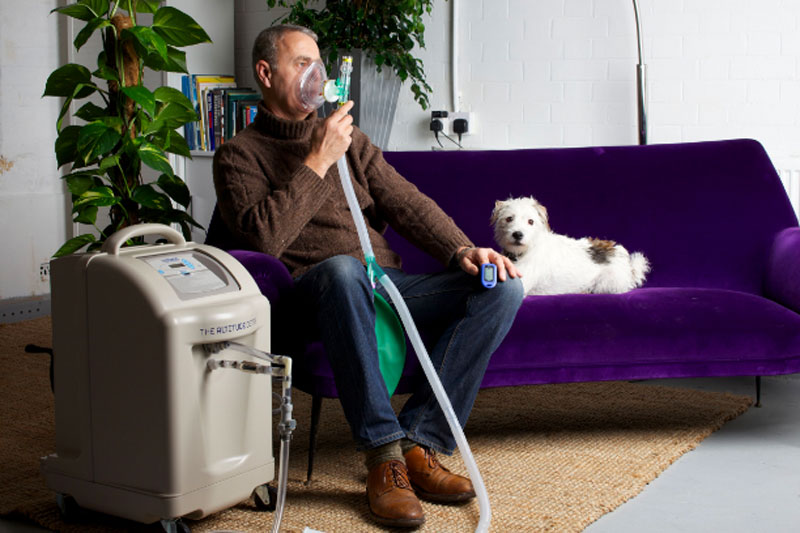
Even if not used during climbing, a modest supply of additional oxygen might be useful in emergency, and it could certainly help to restore normal sleep and keep the body's core temperature up during the night, when metabolism and respiration are naturally depressed. Its use always has to be a matter of judgement

© 2003 - 2009 The Altitude Centre