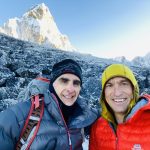
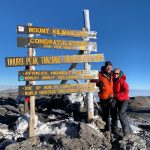
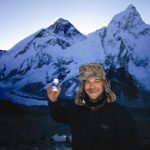
We had booked a hike up Mt. Kilimanjaro in Tanzania. Whilst it was important to get ourselves fit and buy the right equipment and clothing the big unknown was how our bodies would respond to the low oxygen levels at high altitude.
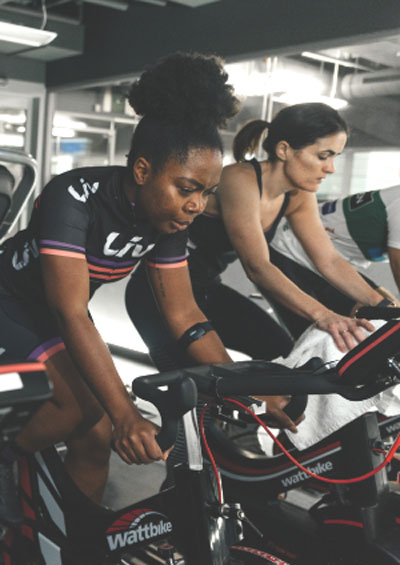
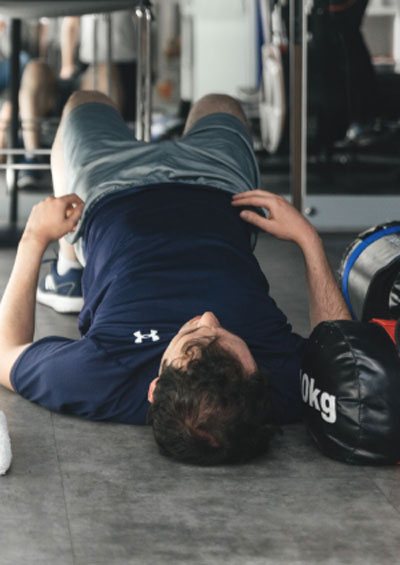
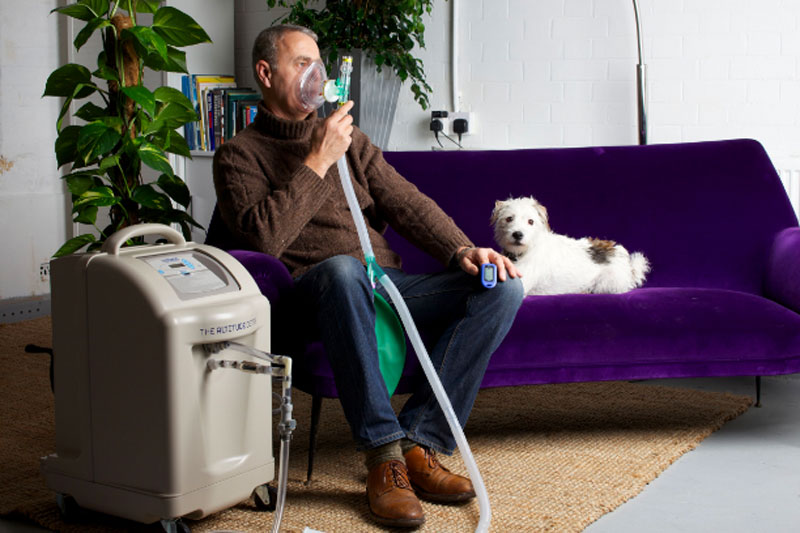
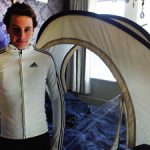
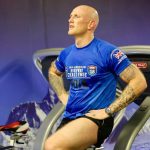
To minimise this effect on our hike we booked into the Altitude Centre for a Mountaineering consultation. This gave us a great insight into how we might cope approaching the summit – the results indicated we should be OK. The team suggested we hire the IHE reduced oxygen breathing apparatus for a month before we left for Kilimanjaro so we did this too to further increase our chance of summit success.
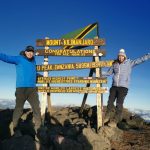
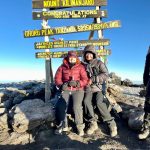
Whilst we did find the hike hard we suffered from no form of altitude sickness at all – no headaches or nausea and our blood oxygen levels were the highest in the group (90+!!) throughout the hike. We were so pleased to get to the top of Africa!
Many thanks to the team and equipment at the Altitude Centre for enabling us to reach the summit!
Neale & Amy Harrison