If
you and your group act on the advice given so far, you are
very unlikely to meet these complications. Edema (spelled
oedema in Britain) is medical jargon for swelling. Two serious
complications are known as HAPE and HACE: High Altitude Pulmonary
Edema and High Altitude Cerebral Edema swelling of tissues
in the lungs and brain respectively. HAPE has occurred at
altitudes from 8000 feet and HACE from 10,000 feet, although
both are less unusual at higher altitudes.
HAPE is caused by fluid from tiny blood vessels leaking into
air sacs in the lungs, and affects perhaps 2% of those at
altitude, usually people who already have some AMS symptoms.
Cold, exercise and dehydration all increase the risk of HAPE.
So does gender: men are 5-6 times more likely to be affected
than women, and children are more at risk than adults. (Children
under 10 years are not allowed above 2700 m (9000 feet) on
Kilimanjaro.) Around 1 in 10 HAPE cases will die unless promptly
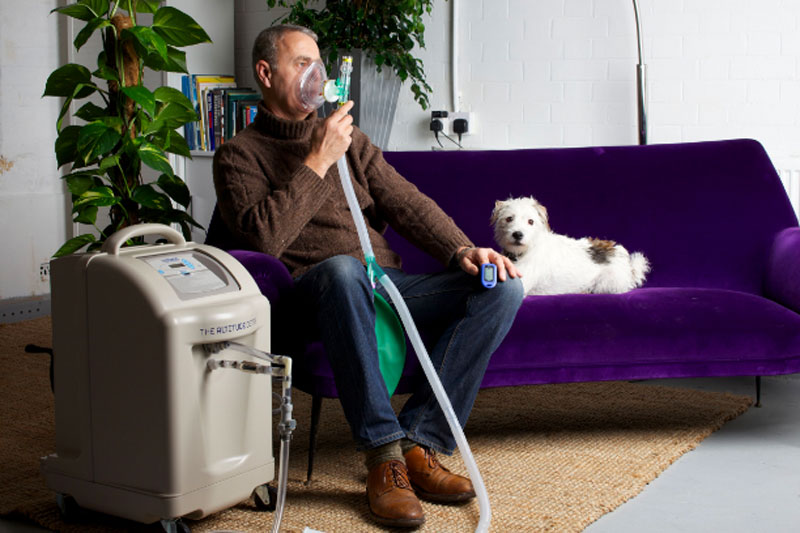
diagnosed and treated by immediate descent, oxygen and suitable
drugs.
The HAPE sufferer looks ill and
- has extreme difficulty in breathing
- is very weak, unable to sustain any exercise
- has a rapid pulse
- may have a fever
- may have bluish-looking lips and fingernail-beds;
this is not unusual at altitude, but, if pronounced, is serious
- may have a cough; if any sputum is pink, frothy
or contains blood, the case is serious.
HACE is rarer than HAPE, and results from swelling of the
blood vessels in the brain: with no room for expansion, pressure
builds up and causes ataxia, extreme lack of energy, incoherence,
hallucinations or numbness, followed by coma. HACE may be
accompanied by HAPE. Unless treated promptly by immediate
descent, oxygen and suitable drugs - HACE can be fatal.
Less serious side-effects of altitude include high altitude
edema (swelling of hands, face and ankles) which is twice
as common in women. Remove any tight-fitting jewellery before
going to altitude. High altitude syncope (fainting) can affect
some people who stand up immediately after eating, but they
often recover and have no further problems. Some people become
prone to nosebleeds; these can be inconvenient but are not
serious. Most folk make more intestinal gas at altitude, which
can be a harmless source of amusement.
Contact lens wearers may find their lenses become unbearably
painful at extreme altitude, and should take spectacles as
an alternative. Snow blindness is a troublesome condition
that can involve headaches, double vision and acutely painful
eyes; choose good quality sunglasses that block at least 99%
of the ultraviolet rays and either wrap around or have sidepieces
How can you tell if AMS will affect you?
Taking an AMS susceptibility test at The Altitude Centre
will help predict your chances of reaching the top in good
health. There is also good evidence that things you cannot
change, such as age and gender, affect your chances, although
doctors cannot explain why. Females are less likely to experience
AMS than males. At moderate altitude, young people are more
likely to suffer AMS than their elders: the risk decreases
with age in an almost straight line.
|